
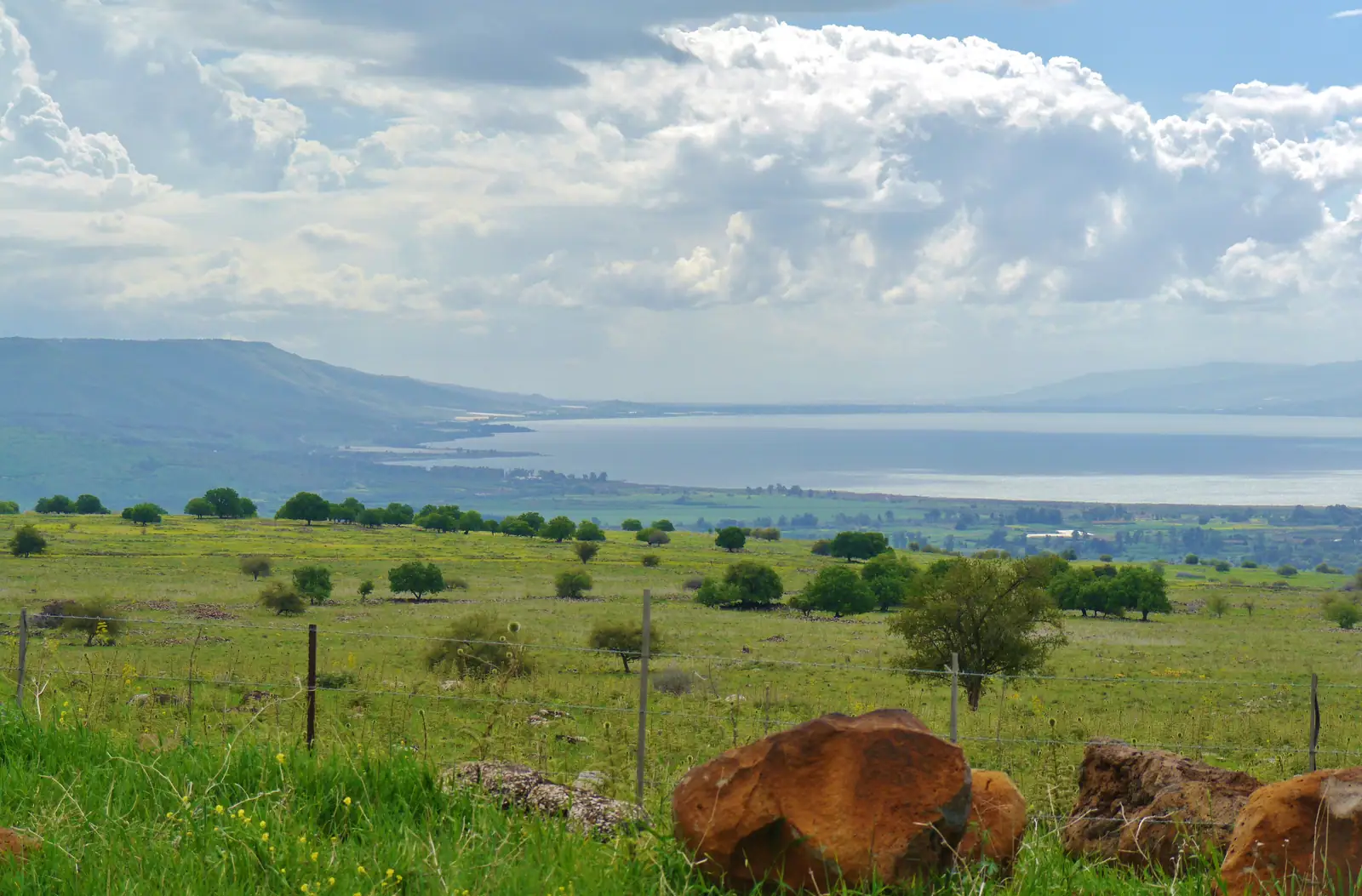
Land for building and investment.
Private plots in the Galilee and Golan, to build your home now or hold for the long term.
Who it’s for
Land is not for everyone. It suits you if you are willing to do the homework, or to let us do it with you.
Families who want to build
You want to design your own home, on a plot you chose, and you are ready for a permit process and a building project.
Buyers holding land
You are holding land for your children, or for a later move, and you are comfortable that it will not produce anything in the meantime.
Long-term investors
You can leave money tied up for years, and accept that the outcome depends on decisions you do not control.
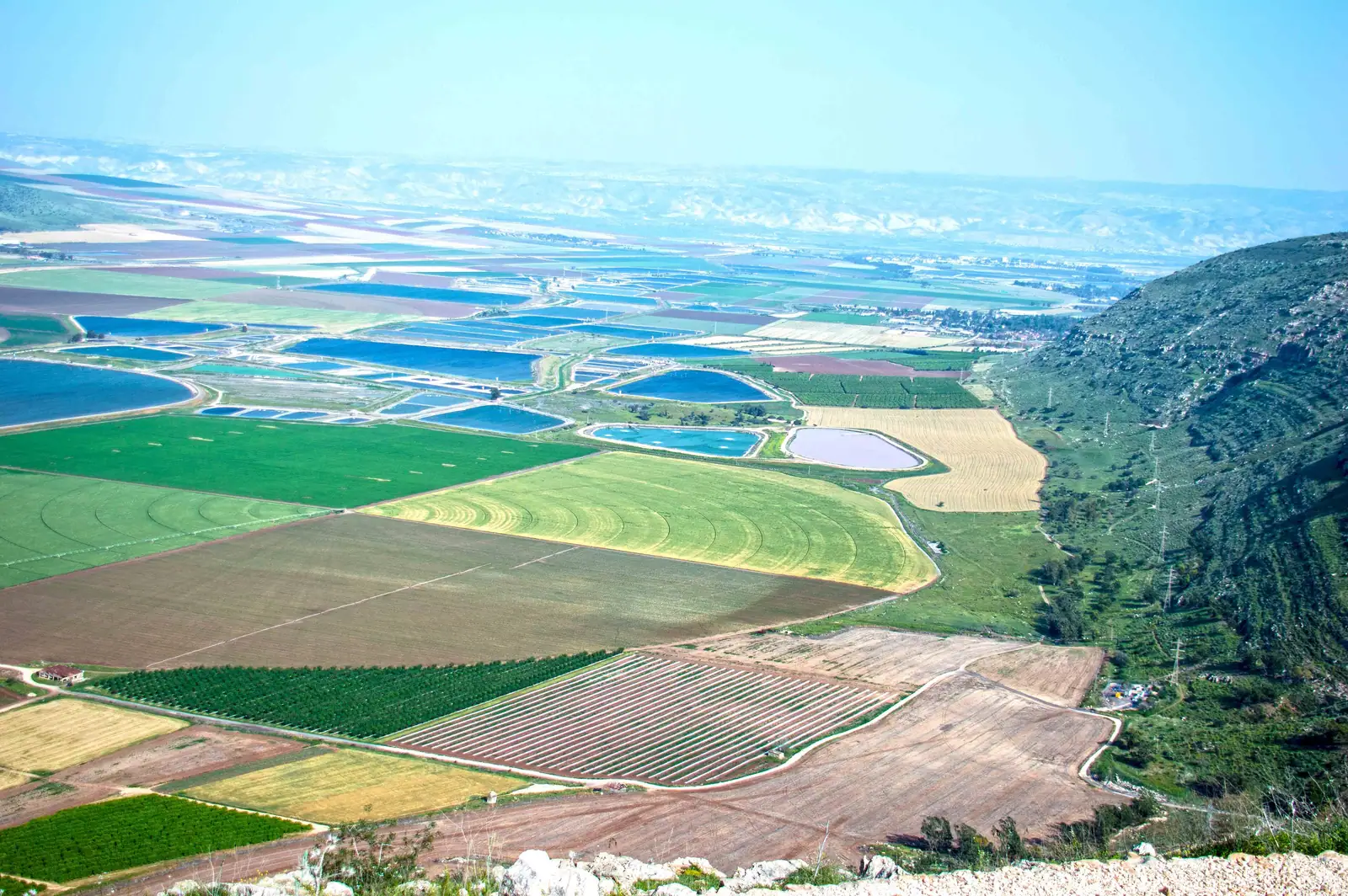
Two paths
Path one
Building
A residential plot with an approved plan, where you can apply for a permit and build. You pay for the certainty of the plan, so these plots cost more than land that still needs one.
Path two
Investment
Land held for the long term. Some buyers hold land because they believe the region will keep growing. That is a view, not a promise: nobody can tell you what a plot will be worth.
Land is a long-term hold; its value depends on planning decisions outside anyone’s control.
Private land only
We look for privately owned, registered land: land that can be bought, sold and inherited.
Most land in Israel is not privately owned. The Israel Land Authority says 93% of the land is public (the state, the Jewish National Fund or the Development Authority), and the State Comptroller says less than 7% is in private hands. That is why private plots are rare, and why finding and checking one takes work.
Source: Israel Land Authority · State Comptroller, 2024
State-land tenders exist too, and we can advise on them separately.
What decides a plot’s value
The plan (תב"ע)
The plan says what may be built. Residential zoning with building rights is land you can build on. A building permit is given only if the work matches the plans, so on land zoned for agriculture a house generally cannot be permitted until the plan changes.
Rezoning is decided by the planning committees through a legal process, not by the seller. It can take a long time and may never happen.
Source: Planning and Building Law, 1965 · Planning and Building Law (Wikisource) · Mavat, planning administration
Building rights
The plan sets how many square meters and how many units you may build. Two plots of the same size can be worth very different amounts.
Access and services
Road access, water, electricity and sewage. Bringing services to a remote plot can cost a lot, so ask what is already there.
Registration: whole parcel or undivided share
A whole parcel is registered to you alone. An undivided share (מושע) is a share of a larger parcel owned together with others. The law says each co-owner’s share extends over the whole property, and no co-owner owns a marked part of it.
That is why shares are harder to build on and to sell: you cannot point to your plot, and building in one place normally needs the other owners’ agreement or a division of the land. A co-owner may sell their share without the others’ consent, and any co-owner may demand that the co-ownership be ended.
Source: Land Law, 1969 · Land Law (Wikisource)
Gallery
Costs
Land comes with taxes and professionals’ fees on top of the price.
- Purchase tax (מס רכישה)
The buyer pays it. The rate for land is set by the Tax Authority and differs from the rates for a home. We do not quote it here: ask your lawyer to calculate it for the plot you are considering.
Source: Land Taxation Law, 1963
- Capital gains tax (מס שבח)
The seller pays it when land is sold. For an individual, the law taxes the real gain at up to 25%. Your lawyer or tax adviser works out what applies when you sell.
Source: Land Taxation Law, 1963
- Professionals and holding costs
A lawyer, a licensed surveyor and, for a building plot, a planning consultant. Ask each for a written quote. Ask the local authority what annual charges apply to the plot you are considering.
What to watch for
“Soon to be rezoned”
Ask for the plan number and check its status yourself on Mavat, the planning administration’s site. A plan that is proposed is not a plan that is approved.
Undivided shares sold to buyers abroad
Be especially careful if you are offered a “plot” that is really a share of a larger parcel. You would own a fraction of the whole, not a marked piece of land you can build on. Ask for the land registry extract before you talk price.
Liens, attachments and disputes
Read the land registry extract line by line. Anything registered against the land can pass to you.
Prices that only make sense if rezoning happens
If the asking price is far above what the land is worth as zoned today, you are paying for a decision that has not been made.
Source: Mavat, planning administration · Land Law, 1969
Due-diligence checklist
What your lawyer and surveyor check before you pay. Open each item for what it means.
Land registry extract (נסח טאבו)
Shows who owns the land, whether it is a whole parcel or a share, and any liens, attachments or notes registered against it. Your lawyer gets a fresh one before you pay anything.
The plan and its status
Find the plan that applies to the plot on Mavat, and check whether it is approved or only proposed. Ask what it allows: use, building rights, number of units.
The municipal planning file
The local committee’s file shows earlier permits, requests and disputes for the plot or its neighbors.
Survey and boundaries
A licensed surveyor marks the boundaries and compares them with the registry. Boundaries on paper and on the ground do not always match.
Road access
Check that the plot has legal access to a road, not just a track that crosses someone else’s land.
Liens and attachments
Mortgages, attachments and other notes on the extract must be cleared, or you must know exactly what you are taking on.
The seller’s identity and authority
Confirm the seller is the registered owner, or has the legal right to sell. Heirs and co-owners all need to sign.
Our role
You deal with us in English; the legal and technical work stays with your professionals.
- Find and vet plots
- Coordinate your lawyer, surveyor and planning consultant
- Explain the planning status of a plot in English
We are brokers, not lawyers or planners. Your professionals advise you on the law and the plan.
Building or investing? Tell us your budget and timeline.
Sources
Legal and tax statements rest on the law texts and official pages below, checked on 3 Nov 2026. Laws change: confirm with your lawyer before you act.
- Land Law, 1969 (registration, warning notes, joint ownership): text of the law (Nevo)
- Land Law, 1969: public text on Hebrew Wikisource
- Planning and Building Law, 1965 (section 145): text of the law (Nevo)
- Planning and Building Law, 1965: public text on Hebrew Wikisource
- Land Taxation Law (Appreciation and Purchase), 1963 (purchase tax, section 9; capital gains tax, section 48A): public text on Hebrew Wikisource
- Mavat (Planning Administration): plans and their status
- Israel Land Authority, About us (93% of the land is public)
- State Comptroller, 2024 report: less than 7% of the land in Israel is privately owned
General information, not legal or tax advice.